
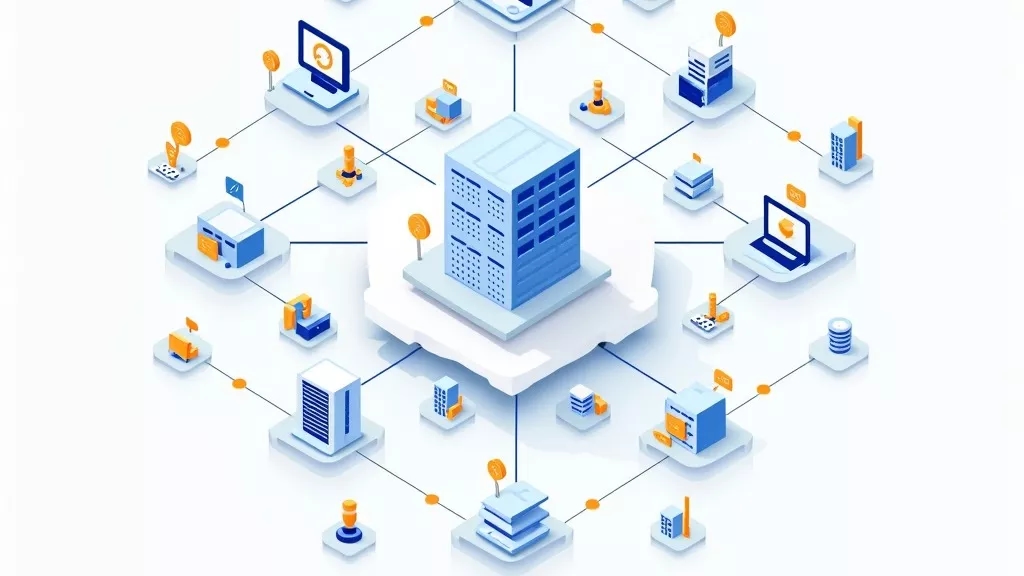
In today's digital world, businesses are looking for strategies that can provide their audience services at the lowest cost and maximum efficiency. One of these solutions is the use of multi-tenance sites. In this article, we examine the benefits of using these types of sites and show how they can help your business grow and develop.
تماس فوری
What is Multi -Toneis?
Multi-tenancy is a software architecture model in which one version of the software is used to provide services to several customers (Tenant) at the same time. Each client has access to its own data and settings, but they all share a common infrastructure. This model is in contrast to the single-tenancy architecture, where a separate version of the software is run for each client.
Single-Tenancy
One Software Version for Each Customer %Dedicated Infrastructure More Cost Due to Allocation of More Complex and Expense More Complex and Time Consuming Due to Multiplication of Systems
a Software version for a FEW Customers Common Infrastructure LESS COST DUE to Subscriptions High and Easy Scalability Easier and Faster Due to System Integration
Reduce Costs
Reduce costs
One of the biggest advantages of multitenancy is cost reduction. By using a shared infrastructure, hardware, software, maintenance, and upgrade costs are shared among all customers. This cost reduction is especially important for small and medium-sized businesses (SMBs).
Increased scalability
Multitenancy sites are easily scalable. As the number of clients increases, more resources can be easily added to the infrastructure. This feature allows businesses to continue to grow without worrying about technical limitations.
- Vertical Scaling: Increasing the resources of an existing server (such as CPU, RAM) $@| Horizontal Scaling: Add more servers to infrastructure
تماس فوری
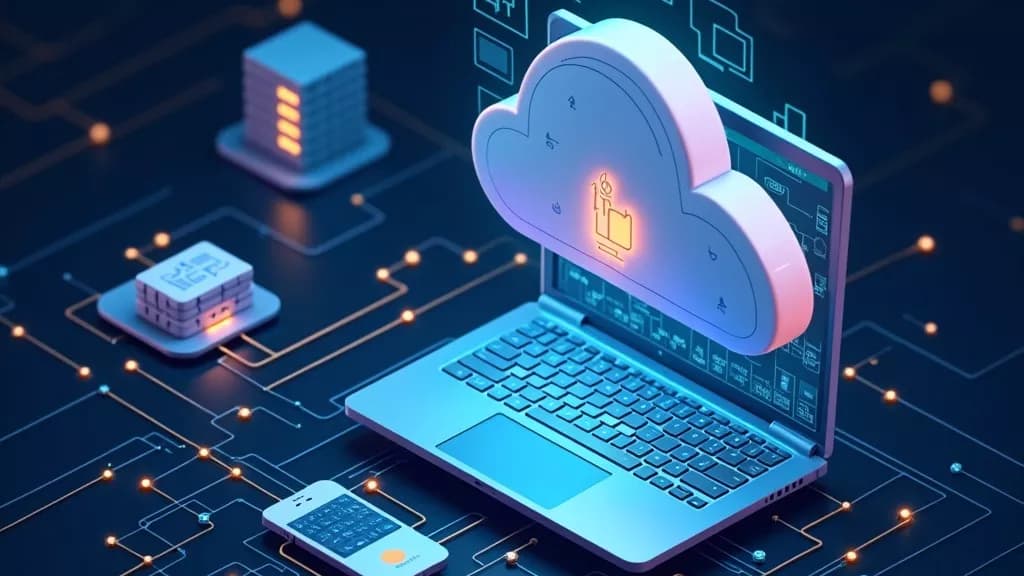
Central Update: Making Changes to One Place and Publishing It for All Customers Downtime Reduce: Updating Quickly and Without Long Interruption In Service
Software updates are much easier in a multi-tenancy environment. There is only one version of the software that needs to be updated, so all customers benefit from the latest features and improvements at the same time. This reduces the time and costs associated with updating.
- Central update: Making changes to one place and publishing it for all customers
- Downtime Reduce: Updating quickly and without long interruption in service
Dynamic Distribution Sources: Resource Allocation Based on Instant Customer Needs Energy Consulation Reduction: Optimal Use of Hardware and Reduced Energy Construction
Using a shared infrastructure means optimal use of resources. In multi-tenancy architecture, resources are dynamically distributed among clients and resource wastage is avoided. This increases the overall efficiency of the system.
- Dynamic Distribution Sources: Resource allocation based on instant customer needs
- Energy Consumption Reduction: Optimal use of hardware and reduced energy consumption
Research and Development Investment: Assignment of Resources Interest of Current Costs to@ New Services and Features: Creating Value Added for Customs
By reducing costs and simplifying maintenance and update processes, businesses can focus more on innovation and new product development. This can help increase competitiveness and attract more customers.
- Research and Development Investment: Assignment of resources instead of current costs to@
- New Services and Features: Creating value added for customers
Central Management: Management of All Customers Through a Unit Management Panel %Reduce Technical Specialty: Using Ready -Made Solutions and Reducing the Need for DEVELOPMENT AND Maintenance
Managing a multi-tenancy system is usually easier than managing several single-tenancy systems. This issue is especially important for businesses that have limited human resources.
Applications
CRM (Customer Relationship Management): Customer Relationship Management Software ERP (Enterprise Resource Planning): Organization ReSource Reservation Software Management System): Important Management Systems
Many SaaS software uses multi-tenancy architecture. These softwares allow users to access various services through the Internet, without the need to install and maintain software on their system.
- CRM (Customer Relationship Management): Customer Relationship Management Software
- ERP (Enterprise Resource Planning): Organizational Resource Planning Software
- CMS (Content Management System): Important Management Systems
Online Marketplaces: Platforms Like Amazon and EBay E-Commerce Platforms: Platforms Such As Shopify and WooCommerce
E-commerce platforms that allow different sellers to sell their products usually use a multi-tenancy architecture. These platforms provide the necessary infrastructure for online sales, and sellers can sell their products without having to create a dedicated online store.
- Online Marketplaces: Platforms like Amazon and eBay
- E-Commerce Platforms: Platforms such as Shopify and WooCommerce
Online Learning Platforms: Platforms Such as Coursra and Udemy %of Learning Management Systems: Systems Such as Moodle and BlackBoard
Online education systems that allow students to access courses and educational resources over the Internet can also use multi-tenancy architecture. These systems provide the necessary infrastructure to provide educational content, hold tests and communicate with students.
- Online Learning Platforms: Platforms such as CourSera and Udemy
- %of Learning Management Systems: Systems such as Moodle and BlackBoard
General Social Networks: Platforms Like Facebook and Twitter Niche Social Networks: Platforms Like Linkedin and Instagram
Social networks that allow users to communicate with each other, share content, and participate in various activities also use multi-tenancy architecture. These platforms provide the necessary infrastructure to manage user profiles, content sharing and social interactions.
تماس فوری
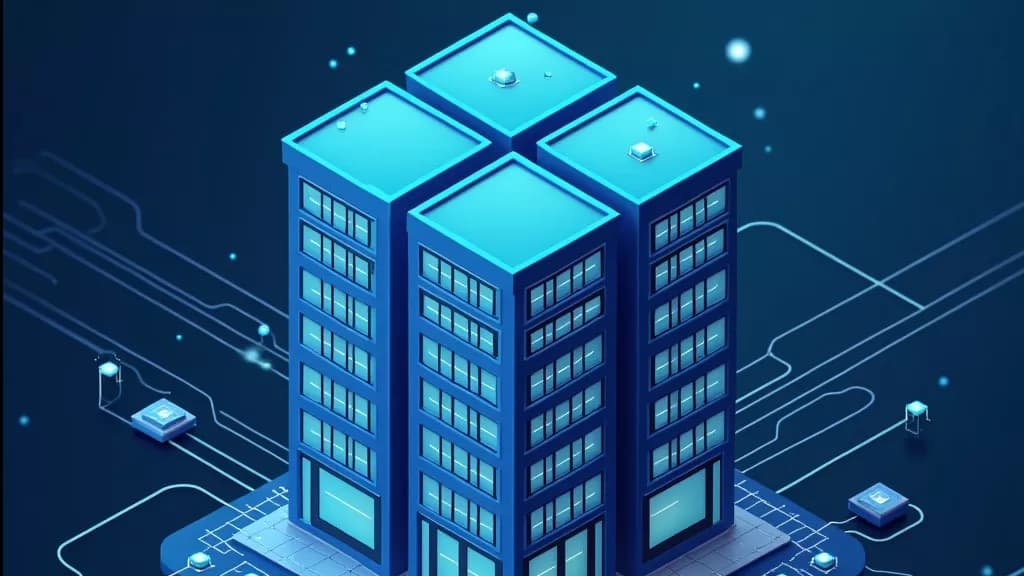
Data Separation: Using Logical and Physical Separation Methods of Data %Access Control: Applying Strquet Control Control and Authentication
Privacy
Customer data privacy must also be fully respected. Ensuring that customer data is used only for authorized purposes and no misuse is made.
Performance
System performance should be such that by increasing the number of customers, there is no decrease in the speed and efficiency of the system. Performance optimization methods should be used to provide a good user experience for all customers.
Customization
In multiplayer architecture, customization is limited to each customer. A balance between providing standard features and the ability to customize customers.
Conclusion
تماس فوری
With the proper management of these challenges, the benefits of multicolor can be fully benefited from business growth and development. This architectural model, especially for startups and small businesses looking for affordable and scalable solutions, can help them compete with large companies.
- Provide Configuration Settings: Provide Configuration for customers
- use API: API to develop custom features
Conclusion
Using multitenancy sites can have many benefits for businesses. Reduced costs, increased scalability, easy upgrades, improved efficiency and focus on innovation are just some of these benefits. However, there are also challenges and considerations related to security, privacy, performance, and customization.
By properly managing these challenges, you can fully enjoy the benefits of multitenancy and help your business grow and develop. This architectural model is very suitable, especially for start-up and small businesses that are looking for cost-effective and scalable solutions, and can help them compete with large companies.
نظرات و تجربیات شما
دیدگاه شما چیست؟
با ثبت امتیاز خود، به ما در تولید محتوای بهتر کمک کنید.